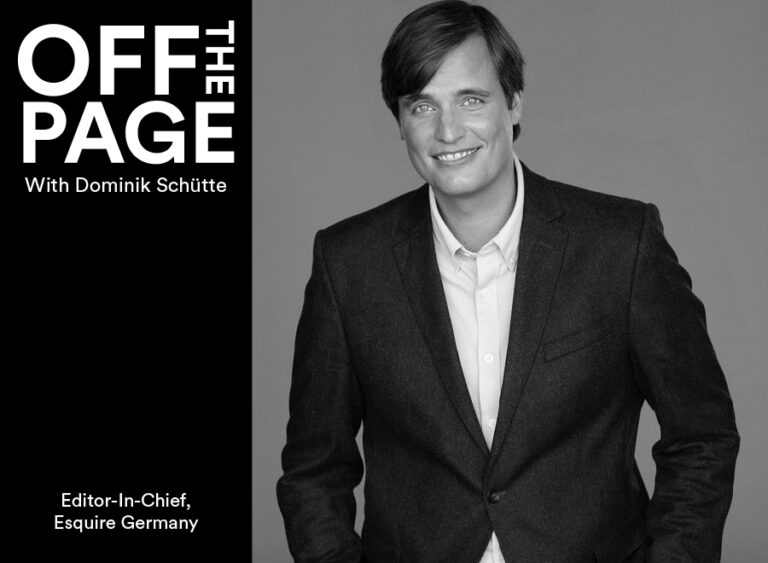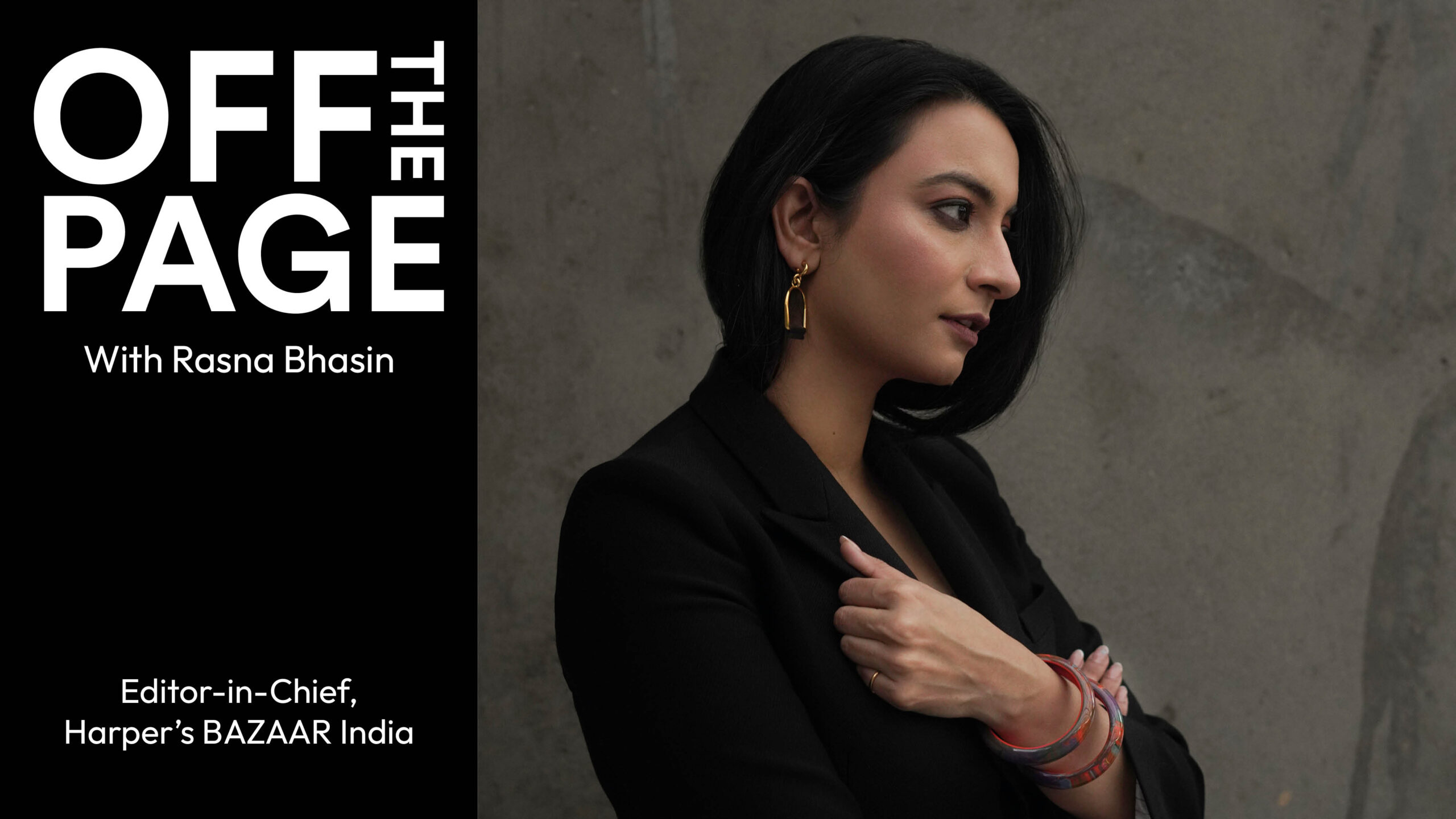
Welcome back to “Off the Page,” our interview series spotlighting the editorial leaders behind Hearst’s global brands. Our latest installment features Rasna Bhasin, Editor-in-Chief of Harper’s BAZAAR India, whose leadership has brought a fresh clarity, cultural depth, and quiet confidence to the title.
Since stepping into the role, Rasna has balanced the brand’s legacy with an evolving multi-platform presence, shaping a voice that is both globally connected and distinctly rooted in India. In conversation, she reflects on the evolution of India’s fashion landscape, the responsibility of storytelling, and how she’s building a more thoughtful, future-facing vision for BAZAAR.
Since taking the helm of Harper’s BAZAAR India nearly two years ago, you’ve merged digital influence with a more traditional editorial approach. What do you consider the most impactful change you’ve introduced to the brand in your market?
It’s been nearly three years now, and time really does fly. From the beginning, I’ve always felt strongly that print is the foundation of the brand. The book is our identity, and everything else grows from there. Digital, social, and all our extensions are important, but if the core is not strong, then nothing else holds. I genuinely believe print continues to be extremely relevant. It brings a certain discipline with it—you have to be thoughtful about what you say and why you’re saying it. That pushes us to focus on meaningful, lasting stories rather than reacting to the moment.
One of the most important things has been shaping a voice for Harper’s BAAAR India that feels both globally connected and distinctly our own. Harper’s BAZAAR has a strong legacy, but it was important to interpret that in a way that feels authentic to India. We’ve also been quite conscious about not adding to the noise. For us, it has been about being selective and creating something that feels considered and honest. That sense of clarity and restraint is what has helped define the brand in a more individual way.
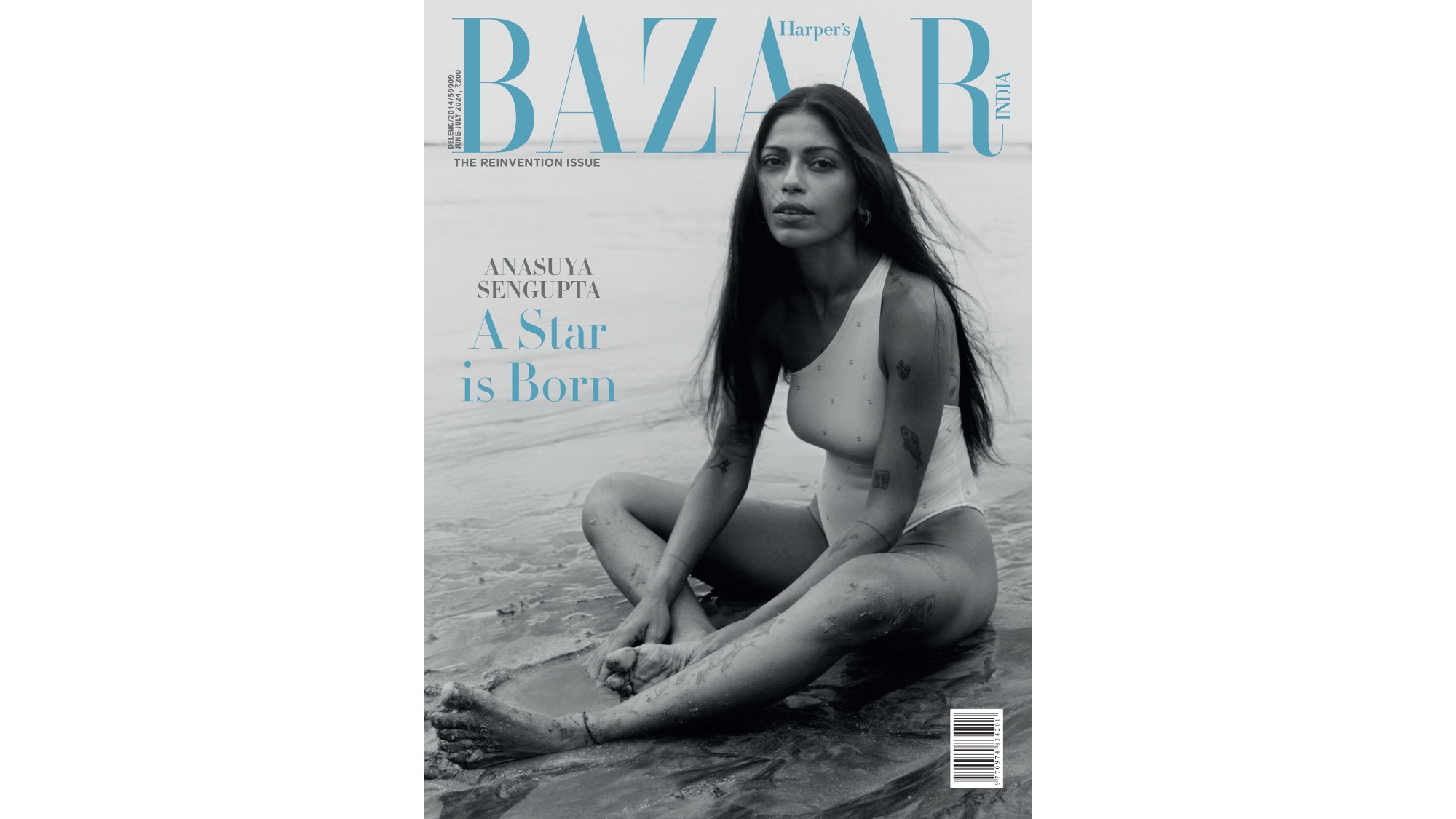
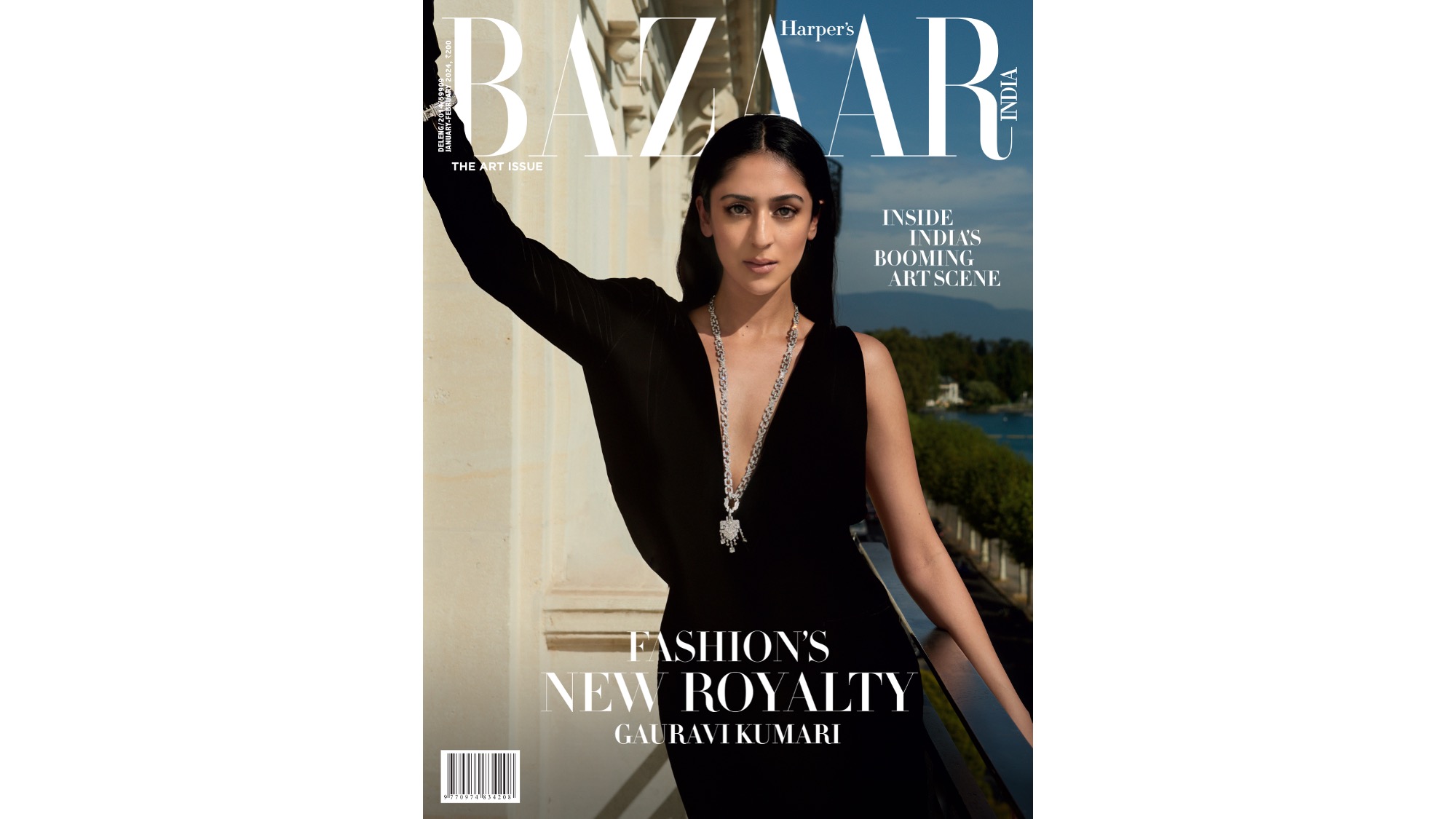
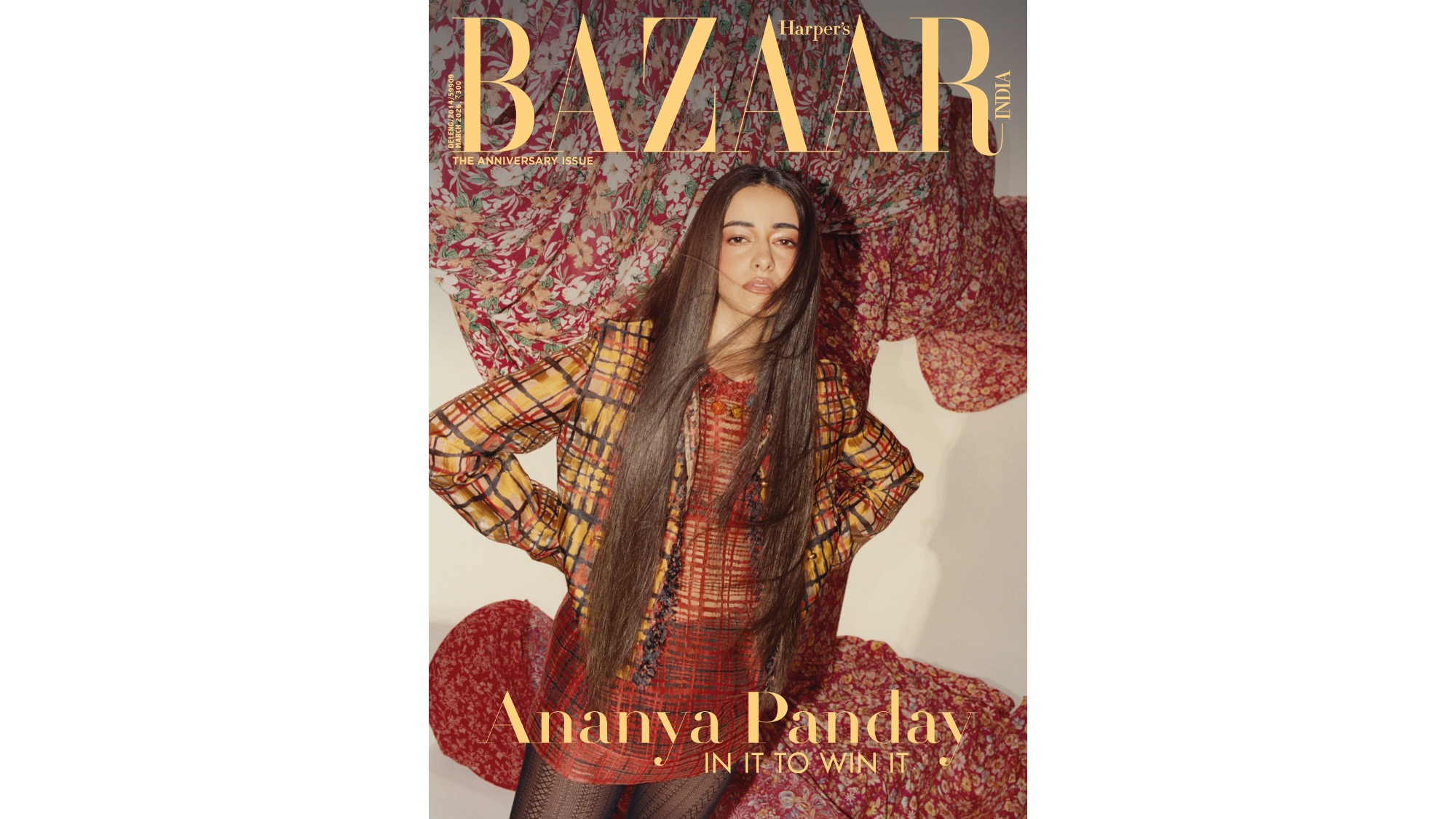
As someone who began their career as an influencer in India’s fashion space, how has India’s fashion industry evolved since then, and what transformations do you see shaping its future?
My journey actually started within the editorial ecosystem at Harper’s BAZAAR India—as a features intern, then social, and eventually leading digital for Harper’s BAZAAR Bride. I’ve always seen myself as someone who creates. Titles and platforms evolve, but that instinct remains. I believe every human being is a creator and, in their own way, an influencer. Not everything needs to be witnessed, recorded, sold, or placed on a pedestal to be considered art. Some of the most meaningful creativity exists quietly, without an audience. For me, the most exciting part has always been the process of absorbing, learning, and then creating something tangible that goes out into the world—whether it’s appreciated or not is almost secondary.
When I look at the Indian fashion industry, the change has been both subtle and significant. There was a time when we were still defining ourselves. Today, there is a far stronger sense of identity—more self-assured, intentional, and clearer about what it stands for. India is no longer on the periphery; we are a voice shaping global narratives. There is also a deeper respect now for what India inherently brings to the table. Our textiles, craftsmanship, and design vocabulary are being valued on their own terms.
At the same time, the industry has matured in how it operates. There is a stronger intersection of creativity and business, heritage and innovation. Homegrown brands are thinking globally from the outset, and international brands are approaching India with more nuance and intent. It feels less transactional and more like a genuine exchange. As the global industry moves toward more conscious, authentic ways of creating and consuming, India is uniquely positioned—with both legacy and a contemporary point of view—to lead that conversation.
Beyond fashion and style, Harper’s BAZAAR is deeply connected to culture and evolving conversations, as you know. How would you view the editorial voice of Harper’s BAZAAR India today? And how do you bring that vision to life for your audience?
BAZAAR has never been just about fashion—it’s about culture, curiosity, and the conversations shaping the world around us. That instinct to look beyond the obvious and find stories in unexpected places defines how we approach the brand today.
Being based in India adds another dimension. There is an incredible depth and diversity to the country, but also a vast diaspora that continues to shape and influence culture globally. Our storytelling is not limited by geography. We’re just as interested in what’s happening within India as we are in the voices and narratives emerging from Indians across the world. That sense of expansiveness really informs our editorial lens.
The voice of Harper’s BAZAAR India is thoughtful, aware, and quietly confident. Fashion is still our foundation, but approached in a layered way—alongside art, cinema, identity, and the many ways in which people are expressing themselves today. It’s less about trends and more about perspective. We take risks with the stories we tell—that could mean spotlighting a drag artist, engaging with the journey of a cinematic icon making a comeback, or discovering voices from the diaspora that may not always be part of the mainstream conversation. Not every story should feel expected—that keeps the brand dynamic and, more importantly, honest.
Inclusivity is a big part of that approach, but in a way that feels natural rather than performative. We champion women while creating space for a broader spectrum of voices and identities, including the LGBTQI community and beyond. The goal is to reflect the world in all its complexity. Bringing this to life is a collective effort—the team and I are constantly looking, listening, and refining. It’s about building a platform that feels aspirational yet grounded, something that people can connect with and return to.
This marks the third year of LuXperiences, Harper’s BAZAAR India‘s tentpole event luxury conference. Can you share some of the standout highlights so far, and how the platform has contributed to shaping and strengthening the brand?
LuXperiences began as a response to something we felt was missing. There were many conversations around luxury globally, but very little that truly reflected its depth in an Indian context. In India, luxury is deeply cultural. It lives in our textiles, craftsmanship, history, and even in the way we experience hospitality. We wanted to create a platform that could hold all of that while also opening it up to a more global exchange of ideas.
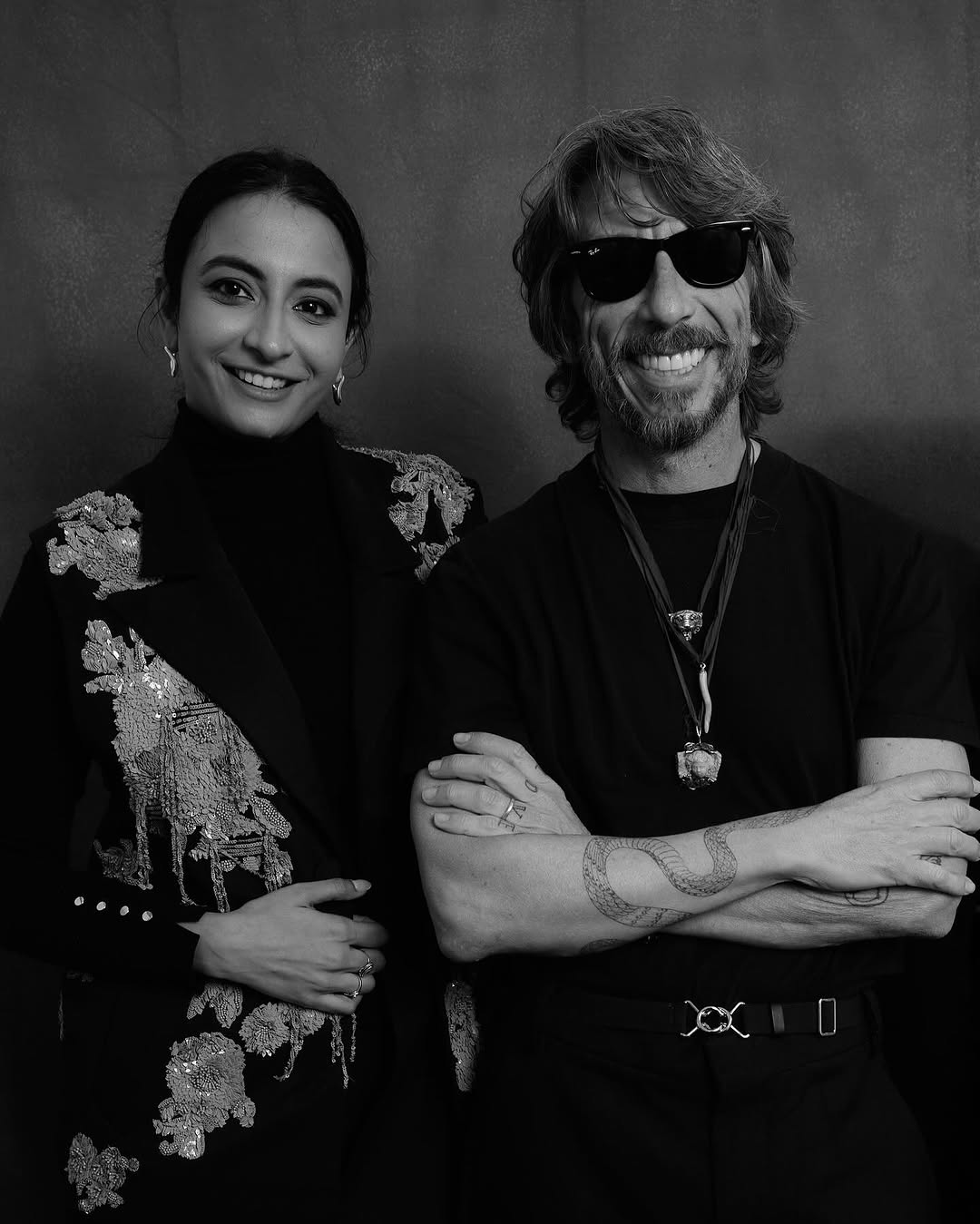
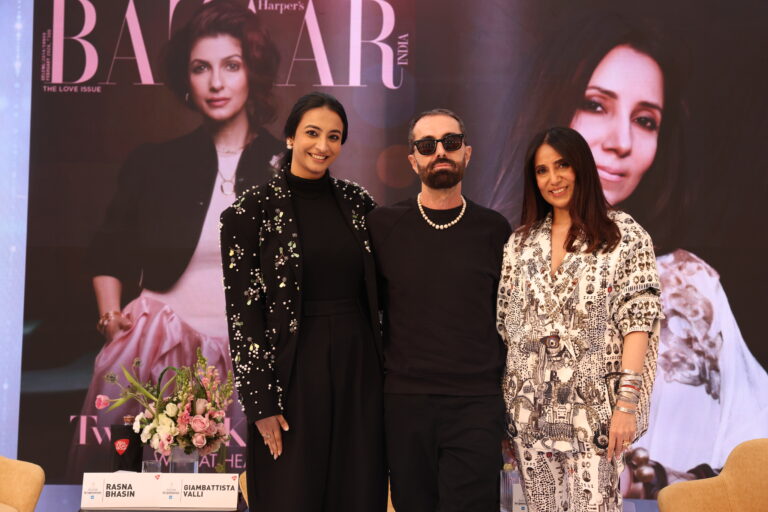
In the past three years, it has grown into something more layered than we imagined. Hosting Pierpaolo Piccioli was incredibly special, particularly his conversation with Tarun Tahiliani—it became a dialogue about emotion, craft, and memory. Voices like Laudomia Pucci, Anita Dongre, Giambattista Valli, and Anamika Khanna have brought very different perspectives into the same room, which is what makes it so dynamic. Equally important has been moving beyond conversation—whether it’s a textile showcase or a performance by Violet Chachki, we’ve tried to create something immersive, something that feels alive and experiential rather than purely discursive.
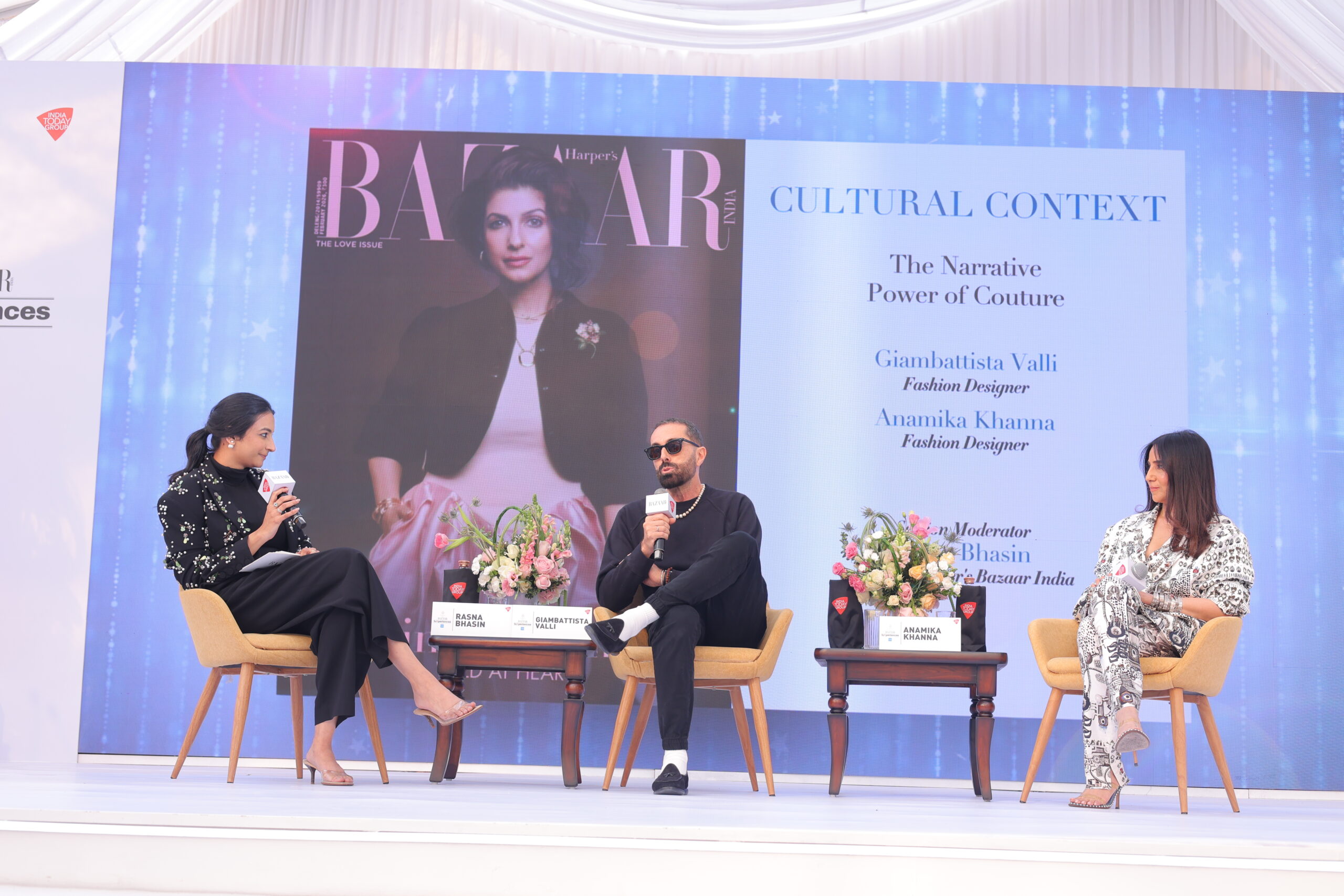
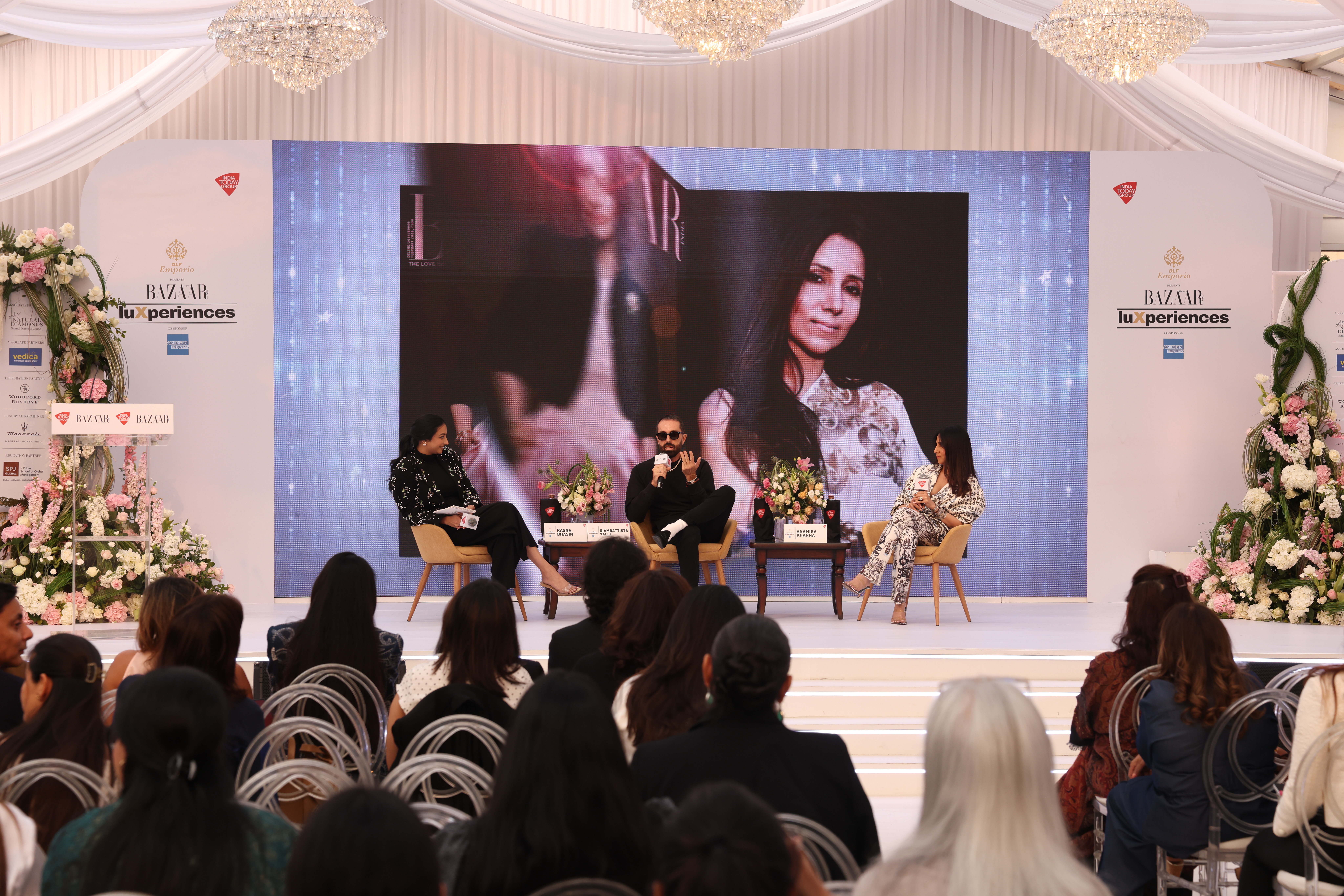
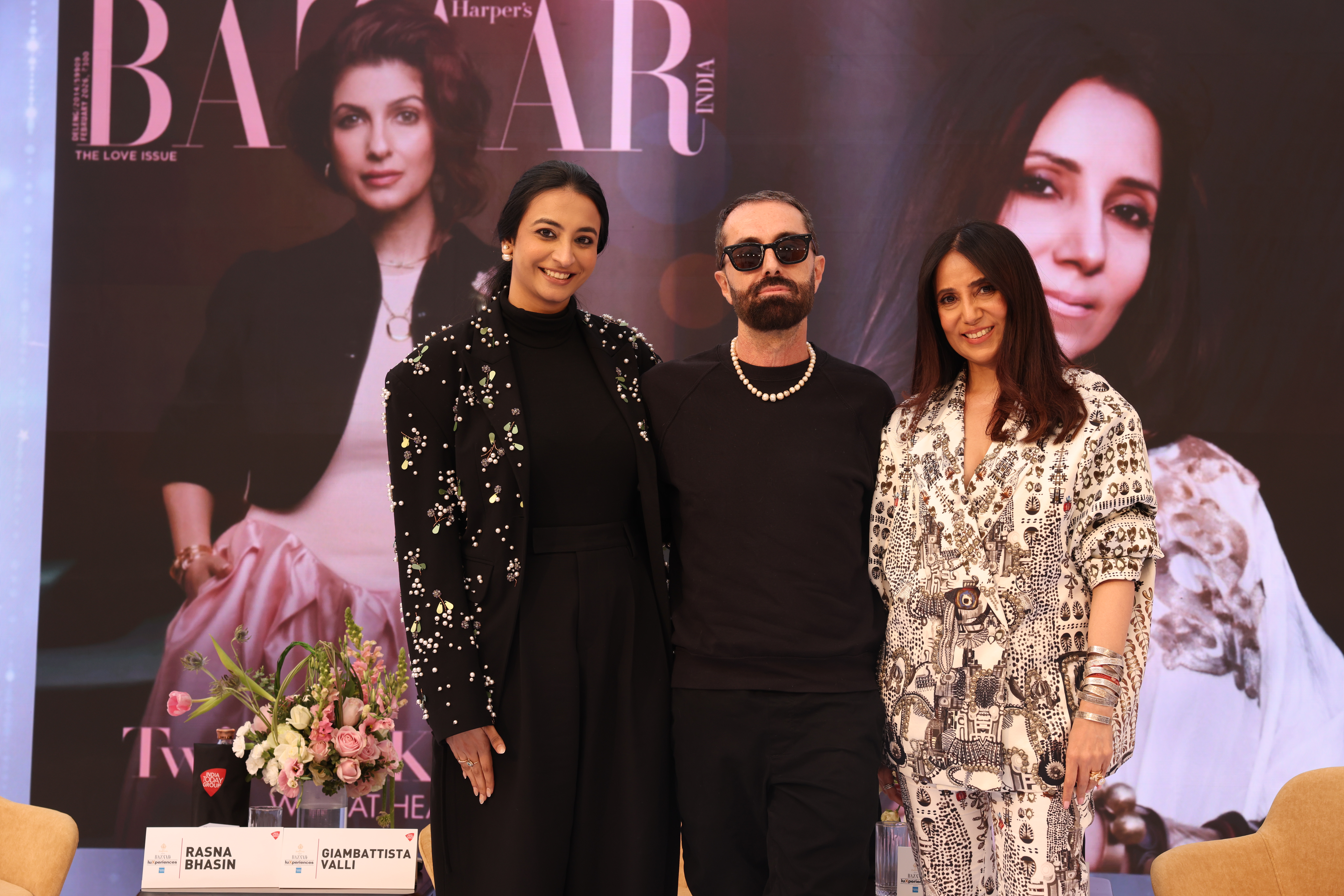
At its core, the intention is clear: to build a platform where conversations evolve beyond the stage—where the industry can question, reflect, and grow. From a brand perspective, LuXperiences has allowed Harper’s BAZAAR India to extend itself and exist as a cultural platform that connects ideas, people, and industries. What has been most encouraging is the kind of engagement it has built. There is genuine curiosity, especially from younger audiences who want to be part of these conversations. And I think that’s when you know something is working—when it creates dialogue that continues well beyond the event itself.
You lead a constantly connected life, texting and posting and emailing at all hours. When do you find time to truly switch off, and what does relaxation mean to you?
I’m not sure I’ve fully figured it out. My brain tends to be quite hyperactive, so switching off doesn’t come naturally—it’s always thinking, planning, or jumping from one thing to the next. I genuinely love what I do, so I don’t always feel the need to disconnect. I’m not the best example of work-life balance, but I’m learning to be more aware.
Flights are where I manage to switch off—there’s something about being in the air that gives me permission to pause. I sleep or read, and it’s one of the rare times I’m not checking my phone. Sleep is my ultimate form of relaxation; it’s when my brain feels quiet, even if it’s dreaming. I can also nap almost anywhere, which helps me reset. Reading helps too—whether it’s something light or completely immersive, it’s less about what I’m reading and more about stepping into a different world.
I haven’t mastered switching off, but I’ve started to appreciate small pauses: resting, saying no, or just taking a moment to slow down. Those little pockets of quiet make a real difference.
The life of an Editor-in-Chief can seem glamorous, from front-row Fashion Week shows to international travel — but the role comes with many pressures and responsibilities. What truths would you share about the Editor-in-Chief lifestyle?
It really is a glamorous job, but far more layered than it appears. It’s not just about editing a magazine. I’m also a people manager—almost like a casting director—bringing the right teams together and guiding them. That can be the toughest part. Then there’s the pressure of deadlines, staying relevant, working with partners, and ensuring the editorial vision isn’t compromised. The final product may be judged quickly, but it represents months of hard work.
Beyond all of this, I see my role as the custodian of the brand. I live and breathe Harper’s BAZAAR, because that’s what an editor becomes—the face and the soul of the publication. You need to truly believe in it and stand by it. In many ways, you are your brand’s best publicist, guardian, and advocate. But it’s not just about the magazine itself—this role carries a significant responsibility within the broader industry. It gives you a voice, and with that comes the duty to contribute meaningfully. It’s not enough to look at the industry solely from your own brand’s perspective. When we work to better the entire system, we grow together, elevate the conversation, and make the industry more relevant and forward-looking.
In the end, I trust my gut and go with what feels right. Sometimes I stumble, and that’s part of the learning, but each challenge reinforces the many layers of this role and the privilege of being in it.
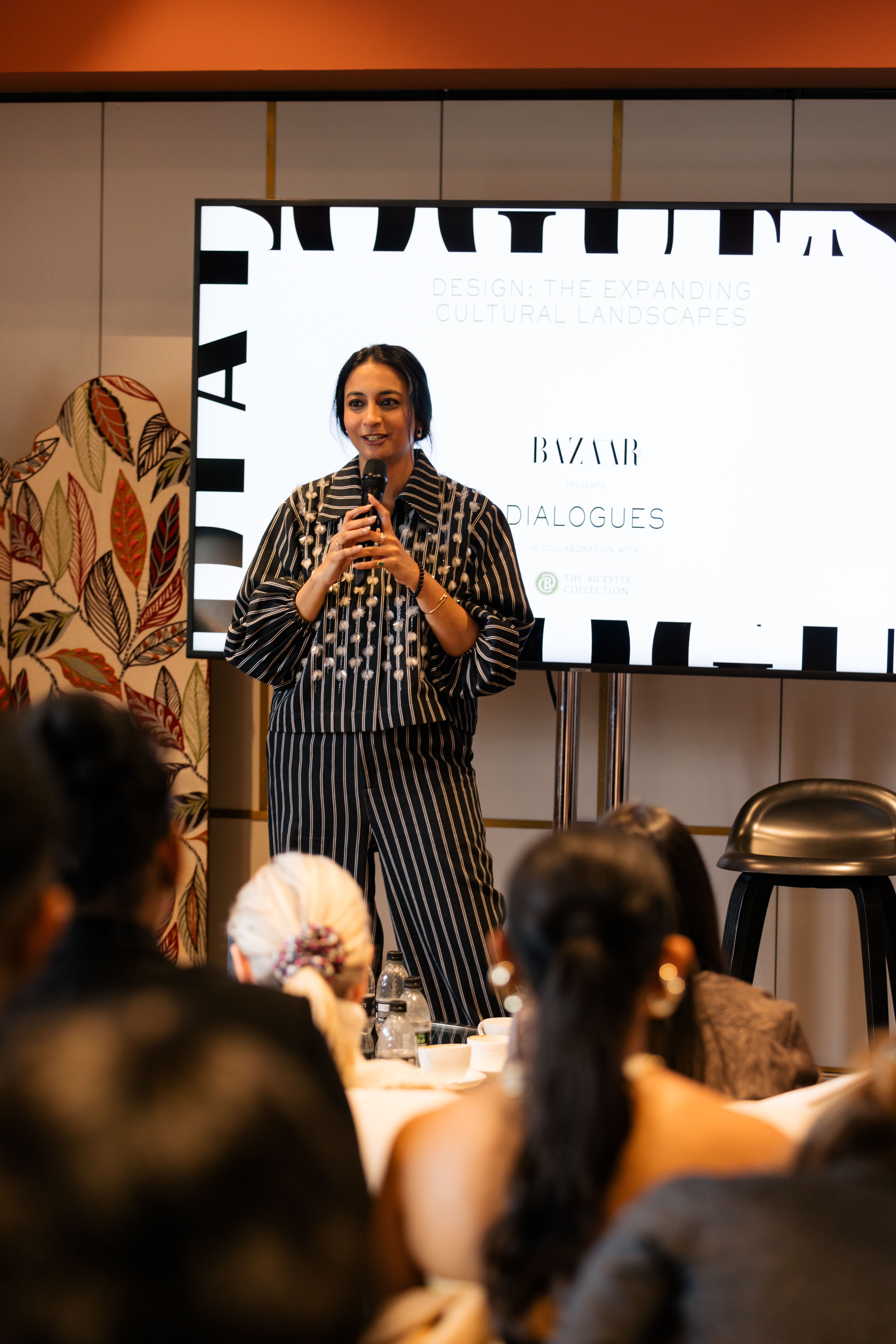
During your time as Editor-in-Chief, what’s a moment that has left a lasting impression on you–something you will always treasure?
Becoming Editor-in-Chief still feels surreal. Magazines were everything to me growing up—they were a doorway into a world I longed to be part of.
The moment I’ll always treasure is the release of my first issue. Holding that advance copy, I bawled. It was a dream come true. Seeing my family and friends hold it made it real. It wasn’t just my moment—it was my team’s, especially since we produced it in under 22 days. It was proof of persistence, trust, and collaboration.
Beyond that, the role has given me the freedom to be myself, to explore, take risks, and grow. The girl who once felt intimidated by so much has learned to be fearless, to trust her instincts, and to go for things even when the outcome is uncertain. What stays with me are the values of Harper’s BAZAAR and everything we’ve built as a team—every story, every risk, every achievement.
Considering your editorial vision for Harper’s BAZAAR India, what do you see as the greatest value of being part of Hearst’s global network? How does working with international editors enhance the brand’s identity?
It’s a tremendous honor, and I’ll always be grateful to Hearst, to Kim St Clair Bodden, Eleanore Marchand, and to India Today Group, Kalli Purie, and Sakshi Kohli for taking the leap of faith they did with me. I still like to joke that I have no idea what they saw in that 29-year-old girl when they handed me the reins of Harper’s BAZAAR India, but I hope I’ve lived up to their trust.
For me, the greatest value of being part of Hearst has always been the belief and support behind it. Even though we may not work under the same roof every day, I know there is an entire network rooting for us, guiding us, and inspiring us at every step. It’s not just BAZAAR—it’s the entire Hearst family across brands and countries, sharing ideas, offering expertise, and reminding us that we are never alone in what we do.
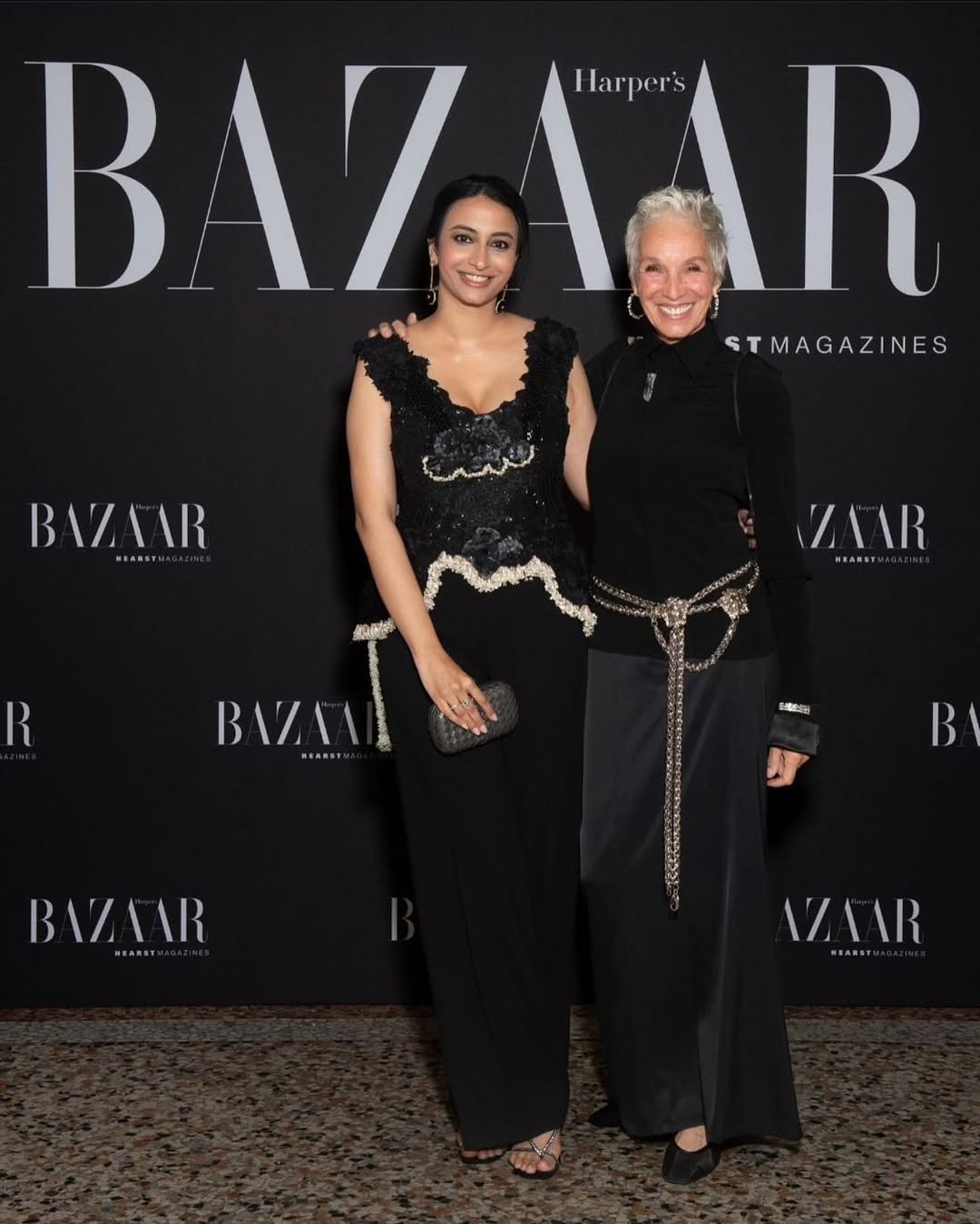
Being one of the youngest editors in the BAZAAR family, I’ve been fortunate to be surrounded by generous, encouraging colleagues who mentor and push us to dream bigger. Even in India, the Hearst network across Cosmo, Esquire, and our other brands has been just as supportive. There’s a genuine sense of camaraderie and pride in being part of something so exceptional.
Hearst is about more than resources—it’s about inspiration, trust, and knowing we have a global team behind us. That support allows me to push boundaries and bring Harper’s BAZAAR India to life with confidence and clarity.
Quick-Fire Round…
Instagram or TikTok?
Instagram, always. I am a doom scroller
Your staple office fashion look?
Jeans and a t-shirt. Mostly with a saying that matches my mood.
Your most cherished luxury item?
A gold necklace with my name that my grandmother had made when I was born. Kind of like Carrie’s necklace in Sex and the City, but mine existed long before. It’s small, personal, and reminds me of where I come from every time I wear it.k.
Best piece of advice you’ve received?
Let your dreams scare you a little but excite you a lot. And no matter what, always stay kind. It really does make all the difference.
Favorite place in India?
There are so many, but I keep finding my way back to Jaipur. There’s something about the city—the colors, the energy, the stories—that just keeps calling me home.
Something about India that only insiders would know?
You don’t need a lot of money to experience its magic. India is a place where people come together in the most unexpected and beautiful ways, and those moments stay with you forever.
Last question…looking ahead, what is the mark you hope to leave on Harper’s BAZAAR India and the fashion landscape during your time as Editor-in-Chief?
I don’t have a complete answer yet—I’m not done. I hope to leave a mark beyond Harper’s BAZAAR India by giving back to an industry that has shaped me. I want to champion creativity and build a platform where the next generation can dream big and take risks, no matter their age or background.
Harper’s BAZAAR will always be bigger than any one person, but I hope my chapter is remembered for the work we’ve done as a team, the community we’ve built, and the voices we’ve given space to. I want our content and stories to inspire others to push further.
I also want this chapter of BAZAAR to make a meaningful contribution to the Indian fashion industry and assert India’s place on the global stage. Fashion is far from frivolous—it shapes culture, celebrates creativity, and goes beyond trends or clothes. It’s about stories, craft, artistry, and connection. Being at Harper’s BAZAAR India has given me the space to create work I care about, champion talent, and help put India’s incredible craft on the global map. Too often, our stories and designers are spoken of but not fully represented internationally—I want India to have a proper seat at that table.
What I cherish most is building a platform for voices and talent, and a community that celebrates fashion, art, and creativity. My team is at the heart of everything—their dedication and willingness to take risks make it all possible. I hope the work we’ve done, and the platform we’ve built, lives on beyond me—shaping the industry, inspiring the next generation, and leaving a legacy that feels meaningful and distinctly BAZAAR. There’s still so much more to do, and that’s what makes it exciting.